


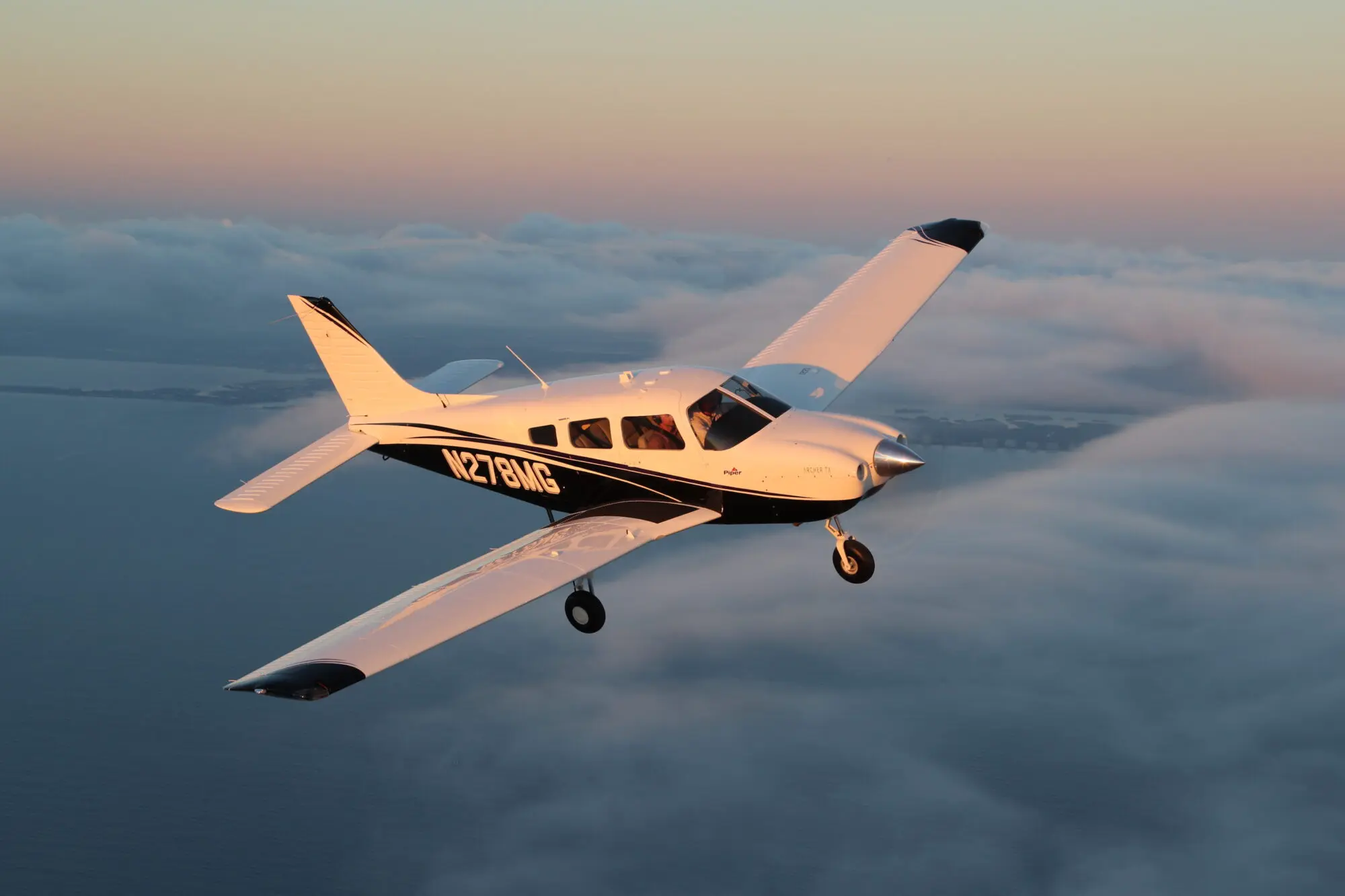
As a pilot, I know that moment well—the transition from renting an aircraft to the dream of owning your own wings. Within the Saudi Aviation Club (SAC) community, we operate in a unique environment that demands a specific strategic approach to aircraft ownership. Buying a plane is not just a purchase; it is a long-term operational commitment.
If you are looking to invest in your first light aircraft, here are the essential pillars to guide your decision-making process.
1. Define the “Mission”
Before looking at speed or aesthetics, ask yourself: What is the primary purpose of my flights?
-
Training & Recreation: If you intend to stay local, practicing touch-and-go landings or short scenic flights, a rugged and simple high-wing aircraft like the Cessna 172 or a Piper Archer remains the gold standard for ease of maintenance.
-
Cross-Country Travel: If you plan to commute between cities—from Riyadh to Neom or Jeddah to AlUla—you need a “traveler.” Look for speed, advanced avionics, and fuel efficiency, such as the Cirrus SR22 series.
-
Sport & Adventure: For those seeking pure stick-and-rudder joy at a lower operating cost, Light Sport Aircraft (LSA) are an excellent gateway into the hobby.
2. The “Hot & High” Factor
Operating in the Kingdom means dealing with high ambient temperatures and high density altitudes. These factors drastically affect engine performance and lift.
-
Takeoff Performance: Ensure the aircraft’s performance charts (POH) account for takeoff at temperatures exceeding 40°C on relatively short runways.
-
Engine Cooling: In our climate, “liquid-cooled” engines or those with advanced baffling systems are preferable to prevent oil and cylinder head temperature (CHT) spikes during prolonged climbs.
3. Understanding the Real Cost of Ownership
I always tell my fellow aviators: “The purchase price is only the entry fee.” You must build a budget based on the Hourly Operating Cost.
Pro Tip: Never calculate fuel alone. A realistic budget must include “Engine Reserves”—money set aside for every hour flown to cover the eventual Engine Overhaul.
| Cost Type | Description |
| Fixed Costs | Insurance, registration fees, and Hangarage/Parking fees at SAC facilities. |
| Variable Costs | Fuel (Avgas or Jet A1), oil, tires, and scheduled 50/100-hour inspections. |
| Overhaul Reserve | Funds allocated for the engine and propeller TBO (Time Between Overhaul). |
4. Logistics and Maintenance Support
Within the Saudi Aviation Club, we have world-class facilities, but your experience will depend on Supportability. Before buying, check:
-
Are there certified mechanics in the region for this specific airframe and engine?
-
How quickly can spare parts be shipped to Saudi Arabia?
-
Does the manufacturer have a strong regional representative?
Final Thoughts
Don’t buy an aircraft based on a brochure alone. As a member of the club, leverage your network. Take a “Demo Flight,” speak to owners of similar models, and ask about their maintenance challenges.
Owning an aircraft in Saudi Arabia is an investment in freedom. A well-researched decision ensures that this freedom remains safe, sustainable, and, above all, enjoyable.